
Welcome to Outside Space Blog
Rethinking the ‘Failed Food Web’ idea in the British Isles
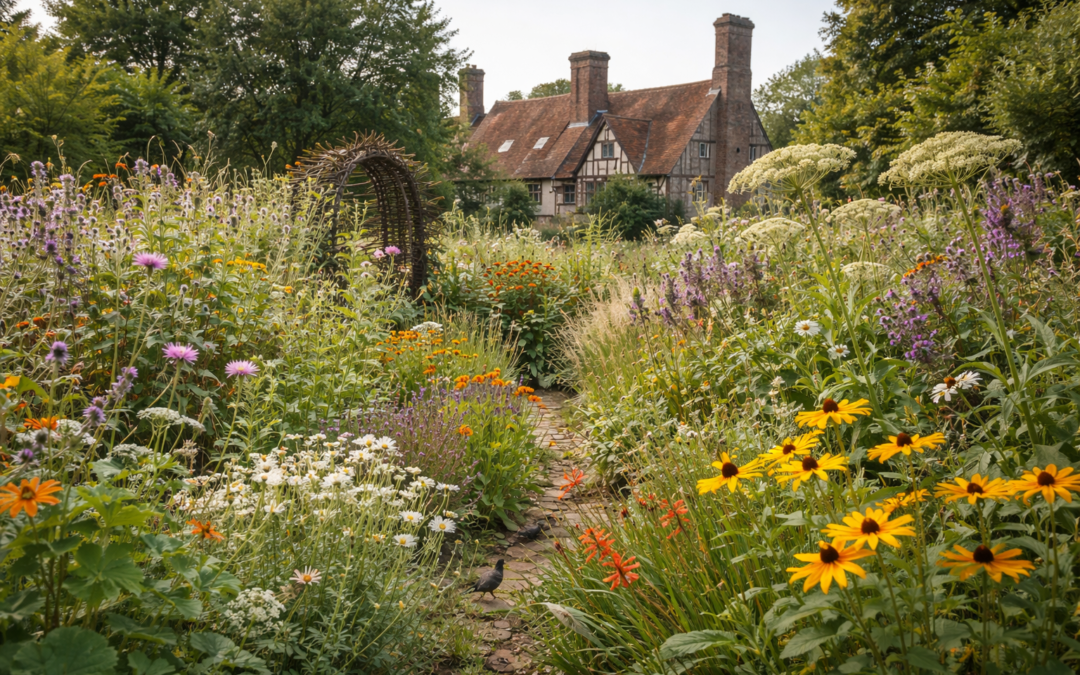
Recently we listened to a podcast interview (1) in which Doug Tallamy described the ecology of the British Isles as something like “wallpapering” — landscapes that look pleasant but support relatively little insect life. It’s a familiar metaphor Tallamy often uses -...
Where gardens can have the greatest impact on biodiversity and ecological services
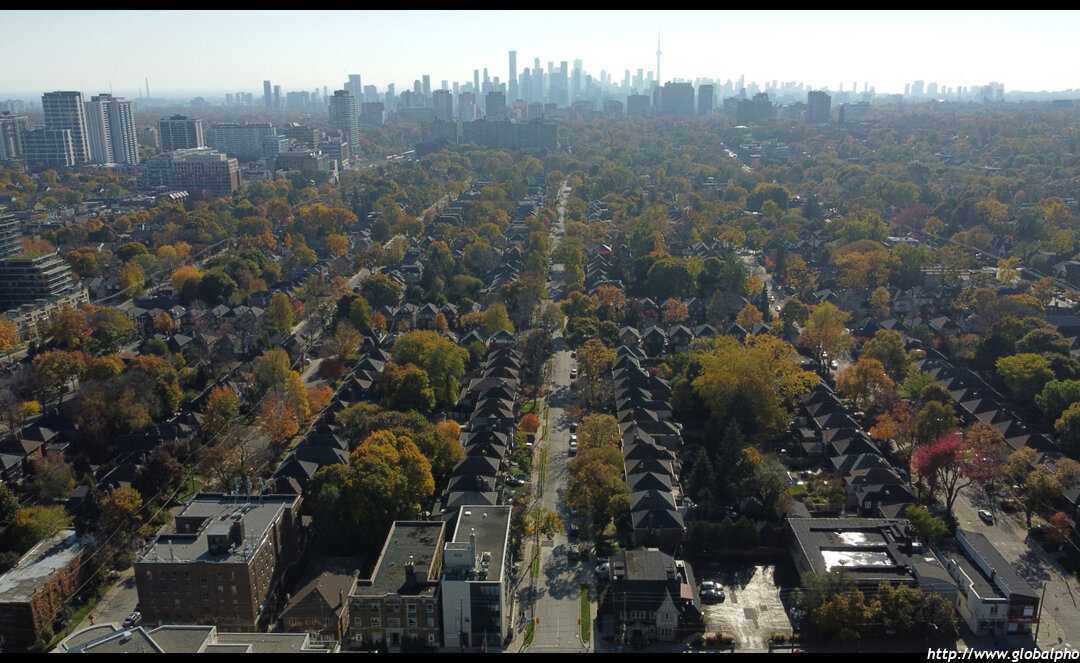
Where gardens can have the greatest impact on biodiversity and ecological services Gardens can contribute to biodiversity and ecological services — but their impact depends far less on plant choice alone than on context, scale, and connectivity. Understanding where...
Who Actually Lives in Toronto Gardens?
Who Actually Lives in Toronto Gardens? A concise, context-based snapshot for dense urban settings by Dorothy & Patrick Smyth Urban ecology research shows that insect communities in Toronto vary strongly by location, scale, and connectivity. Gardens matter — but...

Invasive Species, Public Money, and Staying Grounded
Invasive Species, Public Money, and Staying Grounded – A review by Dorothy and Patrick Smyth (retired accountants) of the Auditor General’s comments from an accounting perspective for discussion purposes. Invasive species are a real ecological concern, and this is not...
Upon reading “Humanity for Habitat”
Upon reading “Humanity for Habitat” A review by Dorothy & Patrick Smyth Why scale ultimately breaks the argument for urban gardens Upon reading “Humanity for Habitat: Residential Yards as an Opportunity for Biodiversity Conservation” (BioScience, 2023), it is easy...

Chickadees, gardens, and misplaced ecological anxiety
Chickadees, gardens, and misplaced ecological anxiety In Ontario — including the Greater Toronto Area — the chickadee most people encounter is the Black-capped Chickadee. It is a small, resident woodland bird that has adapted extremely well to fragmented landscapes,...